For three years I wrote “value” in my log next to bets that simply had high odds. In 2016 I sat down and did the sums: my “value” bets had a yield of −9 %. That was when I read the definition carefully for the first time.
The definition
A value bet is a bet whose odds are higher than the fair odds of the true probability. Fair odds = 1 ÷ probability. If you estimate something at 50 %, fair odds are 2.00; anything above 2.00 is value, anything below is not — however “certain” it looks.
The formula
EV = (odds × probability) − 1
Positive EV = value. Examples:
- Odds 2.20, probability 50 % → 2.20 × 0.50 − 1 = +0.10 (10 % value)
- Odds 1.50, probability 70 % → 1.50 × 0.70 − 1 = +0.05 (5 % value)
- Odds 4.00, probability 20 % → 4.00 × 0.20 − 1 = −0.20 (no value, despite the “big” price)
- Odds 1.20, probability 85 % → 1.20 × 0.85 − 1 = +0.02 (value, despite the “small” price)
Value has nothing to do with the size of the odds. It has to do only with the gap between the odds and your estimate.
The hard part: the probability
The odds are given. The probability is your estimate — and that is where everything is decided. The market, margin removed, gives an estimate that is on average very good. To have value, yours must be better than the market’s in this case. That happens rarely and in specific places: small markets, information the market has not yet absorbed, systematic biases (e.g. overpricing of popular teams). How the margin is removed to see the market’s estimate, in the definition of overround.
How I verify it
You cannot know whether one bet had value. You can know whether your bets have value overall: by comparing the odds you took with the closing line. If you systematically take 2.20 and the match closes at 2.00, your estimates beat the market’s at the time you bet — that is value, proven. In my log column 9 is the closing odds for exactly this reason.
What changed when I understood it
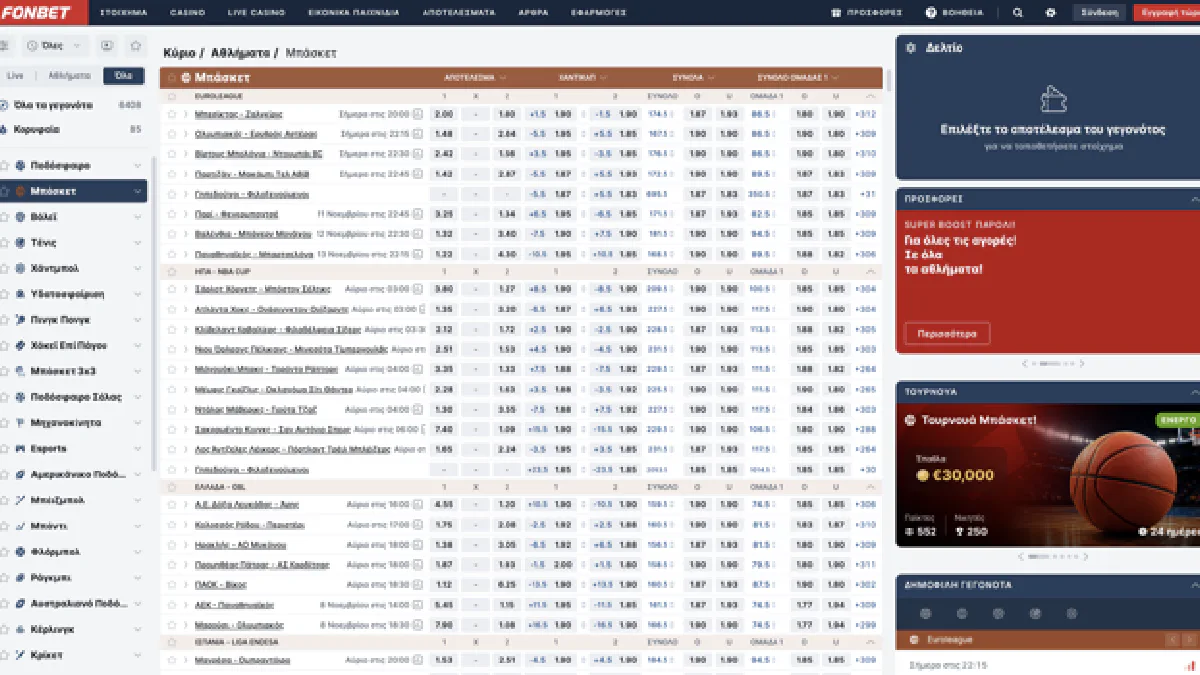
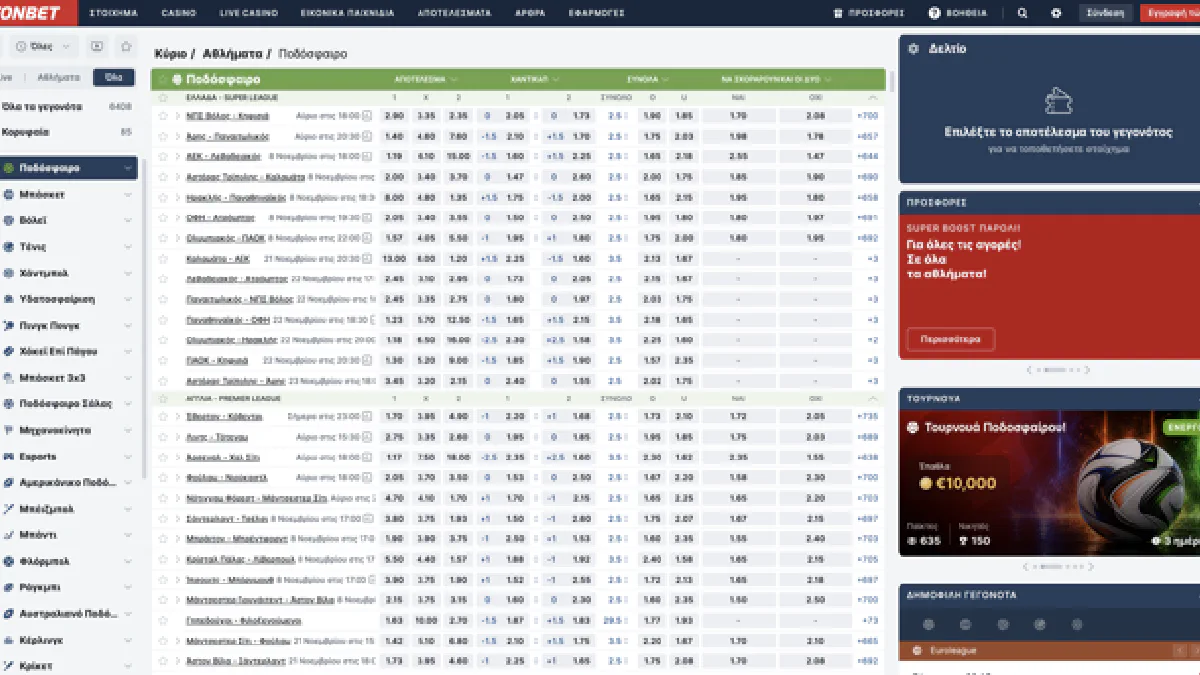
I stopped looking for “big odds” and started looking for pricing errors — which are often found at 1.40–1.80, in markets where Fonbet and the other operators differ by more than 5 %. Comparison tools are the fastest way to spot them; the comparison of Fonbet with the rest shows where the gap is systematic.
FAQ
Can a value bet lose?
How do I know the 'true' probability?
Fonbet Greece — sign up
500 Free Spins and a €20 Free Bet with no deposit using code BOO520